It's the hottest day of summer. The cooling pads are choked with dust. Fans are running, but the air inside the shed feels heavy and still. Within hours, birds start panting. Feed intake drops. Stress shoots up. Every minute that passes, performance - and profit - quietly slips away.
Now picture a winter morning. The brooder doesn't fire up on time. Chicks huddle in the corners, shivering and piling. They will survive, but not all of them will grow the way they should. Recovery takes days. The lost weight, poor uniformity, and higher mortality are losses you can't fully recover. Most farmers call this "bad luck."
In reality, these are the hidden costs of skipped maintenance. Modern poultry farms depend on automation - feeders, drinkers, ventilation, heaters, controllers, sensors. These systems work silently every day. But when even one fails, the damage is immediate, visible, and expensive.
Here's the truth many farms discover too late: Spending less than 1% of your operating cost on preventive maintenance can protect up to 20% of your flock's performance. This isn't about creating more work - it's about building small daily habits that prevent big, painful losses.
The Big Idea: Maintenance Is a Profit Shield
Poultry farming runs on thin margins. That's why even small failures hurt the most.
- A loose fan belt.
- A partially clogged water filter.
- A dusty temperature sensor.
Individually, they look like minor issues. But each one quietly affects bird comfort, intake, and growth. Over time, that translates into poorer performance and lower profits. Well-maintained farms consistently see:
- Fewer emergency breakdowns (20–25% lower repair and service costs over time)
- More stable temperature, cleaner water, and uniform feed delivery
- Longer equipment life and delayed capital reinvestment
- Better growth rate, FCR, livability, and flock predictability
Automation has made farms faster, more precise, and more efficient - but it has also raised the stakes. When automated systems fail, flock performance often fails along with them.
Inside the Poultry House: Four Pillars of Performance
Think of your poultry house as a living machine. Four main pillars keep this machine running smoothly:
If even one pillar weakens, the whole system begins to suffer. Let's look at each one.
Water: The Silent Profit Driver
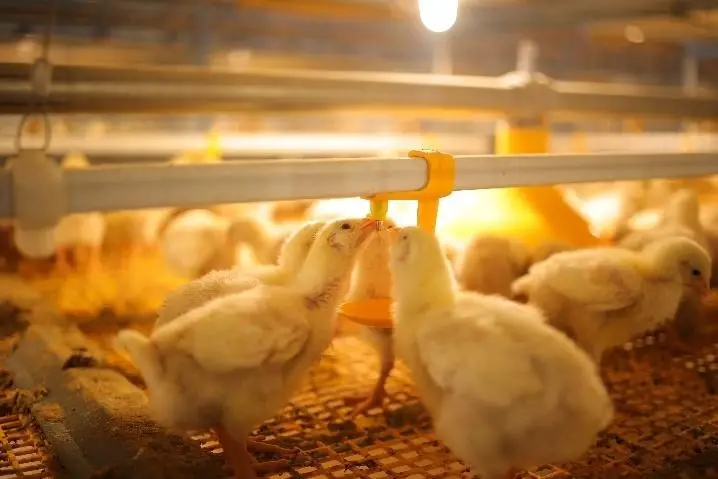
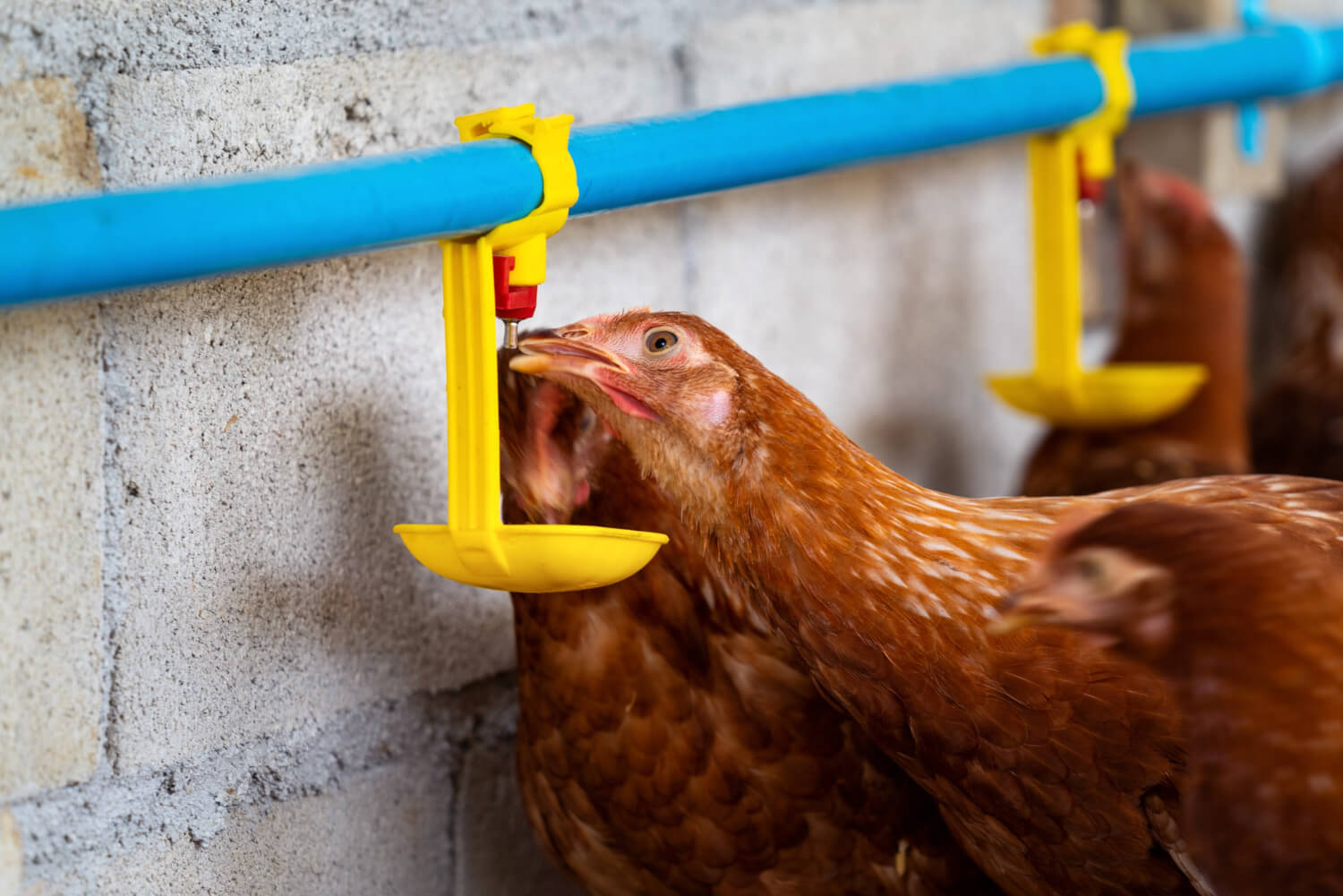
Birds drink roughly twice as much water as feed. Yet on many farms, water quality and water systems get less attention than feed or ventilation.
Poor water quality and poorly maintained drinker systems can cause:
- Reduced feed intake
- Slower growth and poor body weight
- Higher mortality and disease challenges
- Wet litter from leaking nipples or overflowing drinkers
- Scaled cooling pads and clogged lines
Simple, consistent habits can transform water from a risk into an advantage:
- Test water quality at least every 6 months (ideal pH: 6–7).
- Flush and sanitize drinker lines after every flock.
- Replace filters before they are fully choked, not after.
- Use RO systems or iron filters where water is hard or high in minerals.
Golden Rule: If you wouldn't drink it yourself, your birds shouldn't either.
Air: Ventilation, Heat, and Ammonia Control
The quality of air inside the shed decides whether birds are comfortable or under stress. Poor ventilation and poorly serviced equipment lead to:
- Heat stress, panting, and reduced feed intake
- High ammonia levels, burning eyes and respiratory issues
- Wet litter and caked floors
- Higher fuel bills due to inefficient heating
- Uneven growth from hot and cold spots inside the house
High-impact checks that pay off:
- Seal air leaks so incoming fresh air mixes properly and reaches bird level.
- Clean fan blades, shutters, and check belt tension regularly.
- Service heaters and brooders before the start of the cold season.
- Keep temperature, humidity, and ammonia sensors clean, calibrated, and positioned at bird level.
Floor: Litter That Builds or Breaks Health
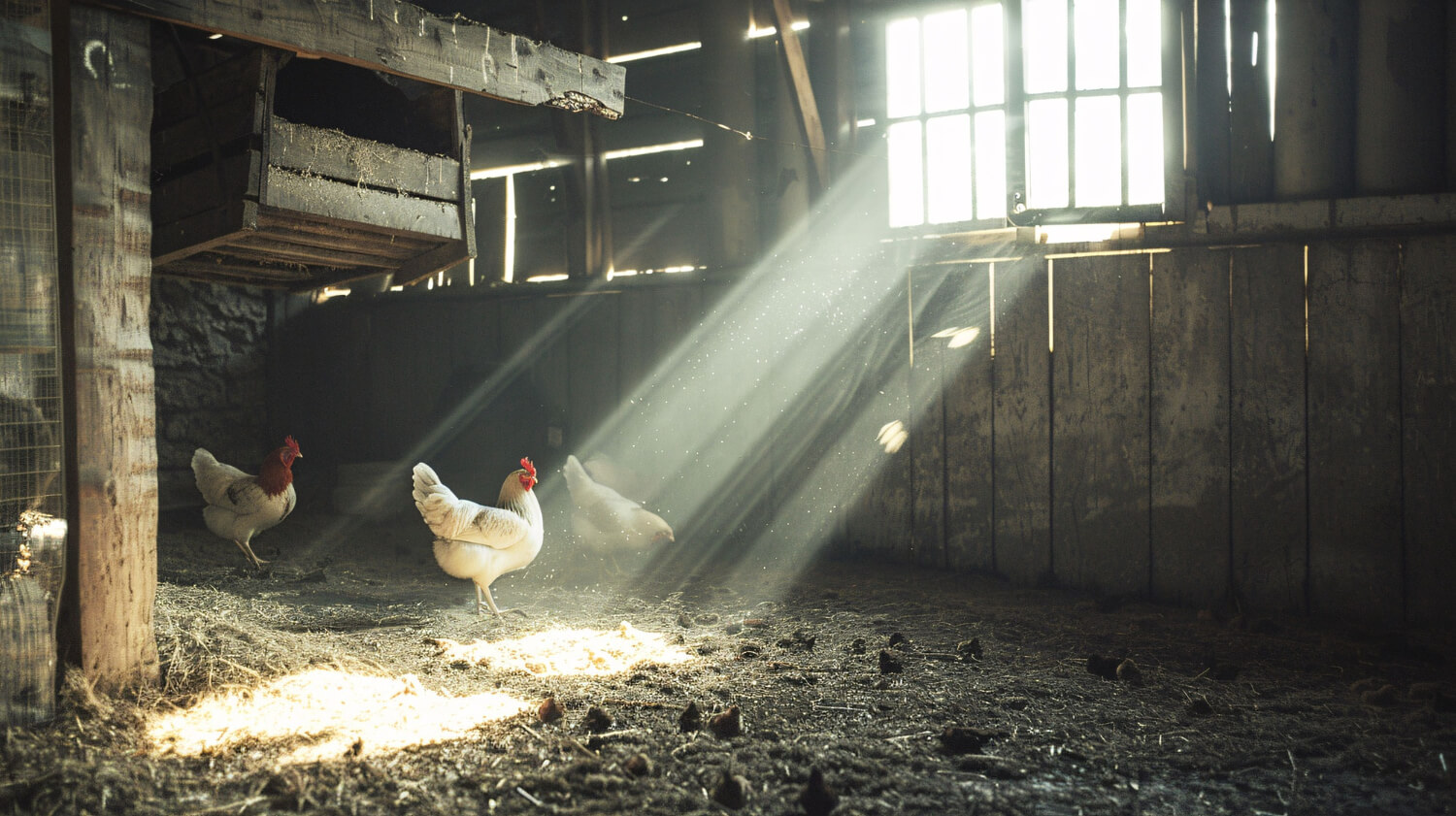
Birds don't live on equipment. They live on the floor.
In a 20,000-bird house, more than 189,270 liters of water will pass through the birds in a single flock cycle. If excess moisture is not removed or managed, litter cakes quickly and ammonia shoots up.
Wet or poorly managed litter leads to:
- Footpad lesions and breast blisters
- Respiratory stress and eye irritation
- Higher disease pressure and poor gut health
- Poor early chick performance and reduced overall flock uniformity
What works in practice:
- Use litter treatments to control pH before chick placement.
- Windrow litter between flocks - internal temperatures above 130°F help kill many pathogens.
- Fix drinker leaks immediately, before small wet spots spread and create larger problem areas.
Most "litter problems" are not simply floor problems. They are usually water and ventilation problems showing up on the floor.
Machines: Protecting Your Biggest Investments
Automated equipment and control systems are some of the most expensive assets on a poultry farm. The good news: most breakdowns are avoidable.
Focus your preventive maintenance on:
Feed Systems
Weekly checks of feed pans, chains/augers, motors, and bearings. Regular calibration of feed weighing and feeding systems ensures accurate, uniform delivery.
Electrical Panels & Controls
Keep electrical panels and junction boxes clean, dry, and dust-free. Dust and moisture are the primary causes of premature controller failure.
Backup Generators
Quarterly testing of backup generators and power systems under actual load is essential. A generator that fails during a power cut can cost an entire flock.
Structural & Suspension Checks
Routine inspection of cables, welds, and suspension systems for signs of wear or fatigue prevents catastrophic failures inside the house.
Many large emergency losses - bird suffocation during a power failure, major feed outages, or ventilation collapse - can be prevented by these small, routine checks that take only minutes.
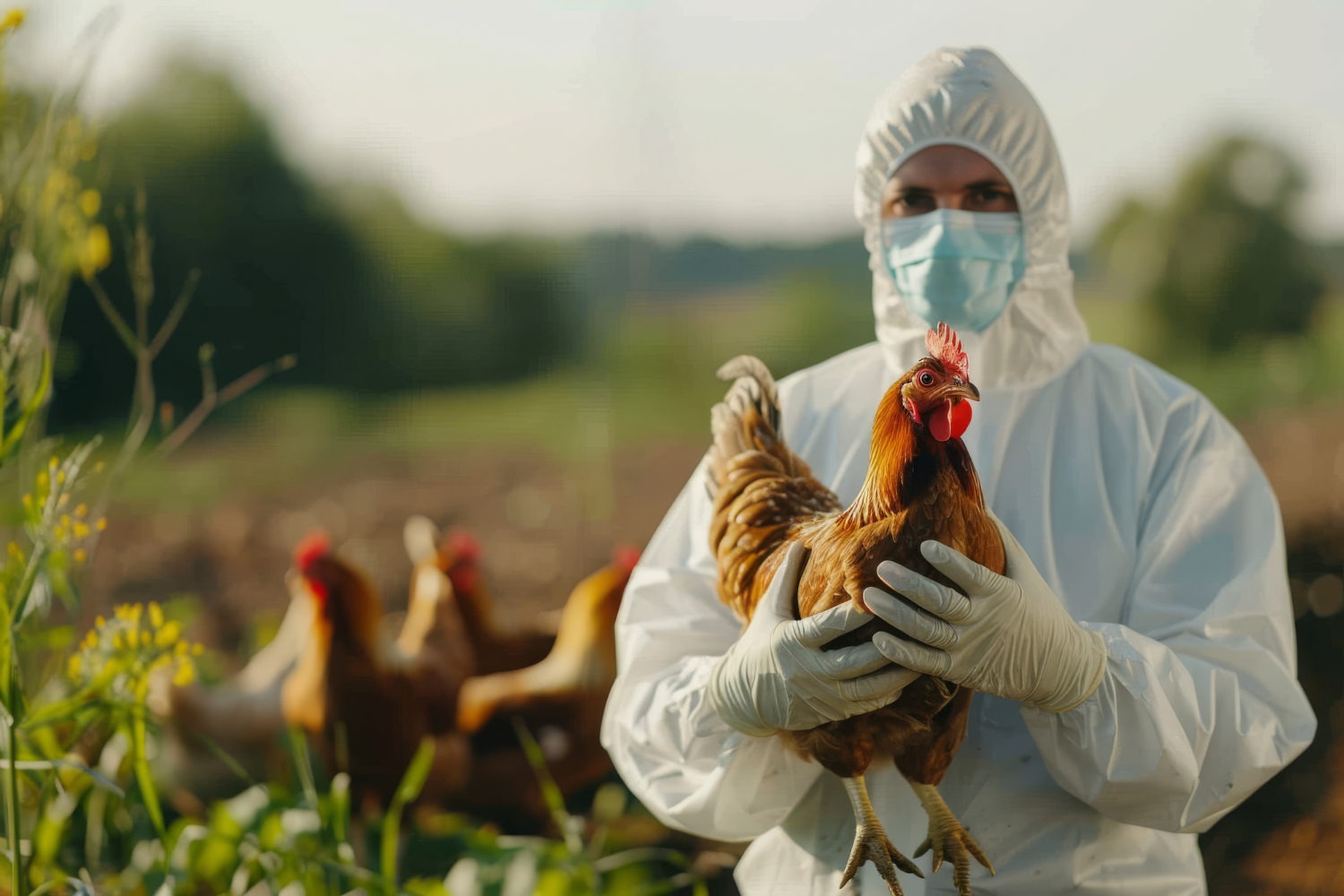
From Firefighting to Control: A Simple PM Playbook
Preventive maintenance doesn't have to be complex. What it needs is discipline and consistency. Start simple:
- List all critical equipment: fans, heaters, controllers, drinkers, feeders, generators, sensors, and alarms.
- Define clear daily, weekly, monthly, and seasonal checks for each item.
- Train staff to notice early warning signs: unusual noises, vibration, hot motors, wet patches, uneven bird distribution, flickering lights.
- Maintain a basic maintenance log: what failed, why it failed, what was done to fix it, and how to prevent a repeat.
- Before summer: Deep-clean cooling pads, fans, air inlets, shutters; check belts, motors, and sensors.
- Before winter: Service heaters and brooders, seal cracks and leaks, adjust ventilation settings and minimum ventilation programs.
- All year: Flush water lines, disinfect houses properly, replace worn parts early - not late.
A simple 10-minute daily walk-through by a trained eye can prevent weeks of recovery, lost weight, and avoidable mortality.
The Shift Ahead: From Preventive to Predictive
Poultry farming is entering a new era. With IoT and smart automation, farms can now detect problems before they become visible to the eye:
- Fan wear and motor overload can be detected early through power and speed monitoring.
- Static pressure drops can trigger alerts when inlets leak or pads clog.
- Sudden changes in feed and water flow patterns can be flagged before birds show performance losses.
Instead of reacting to breakdowns, farmers can act before performance drops.
The Final Thought: Maintenance Is Profit Insurance
Preventive maintenance is not housekeeping. It is a profit and risk management strategy. Small, regular checks:
- Protect bird health and comfort
- Extend the life of your equipment
- Reduce hidden, unplanned costs
- Stabilize flock performance and results
- Secure long-term return on investment (ROI)
Every farm, whether consciously or not, makes a choice every day:
- Fix it later - after the breakdown, after the losses, after the stress.
- Or protect it today - with small, routine actions that prevent big failures.
For farms ready to safeguard their investment and unlock the full value of automation, a structured preventive maintenance plan with Gartech turns everyday effort into long-term, compounding returns.
Ready to protect your farm before problems start?
Connect with Gartech and build a preventive maintenance plan designed for your birds, your climate, and your business goals.
Get in Touch with Gartech LinkedIn
 Twitter
 WhatsApp
 Copy Link
 Send Enquiry
 Bird Calculator
 whatsapp
